
Inventory Pooling vs Cross-Docking: Benefits, Risks & Examples
Compare inventory pooling and cross-docking, including formulas, operating requirements, risks, metrics and a practical evaluation framework.
Uncover strategies for Supply Chain Optimization, focusing on process improvements, cost reduction, and efficiency enhancements. Read about the latest technologies and methodologies.
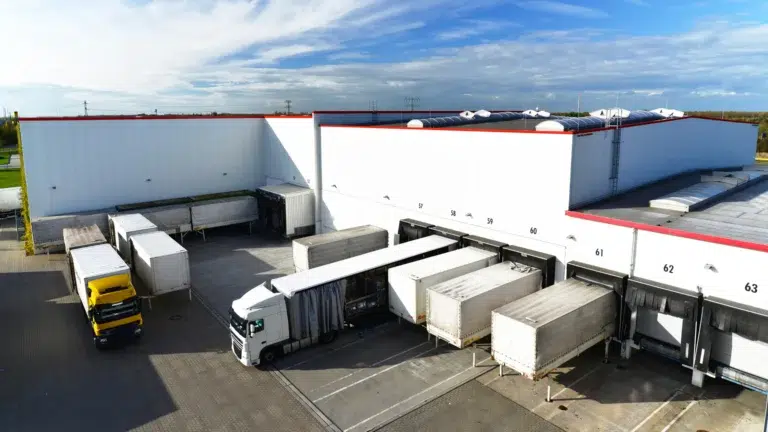
Compare inventory pooling and cross-docking, including formulas, operating requirements, risks, metrics and a practical evaluation framework.
The most important areas of interest in supply chain analytics are not defined by market-size forecasts or technology hype. They are…
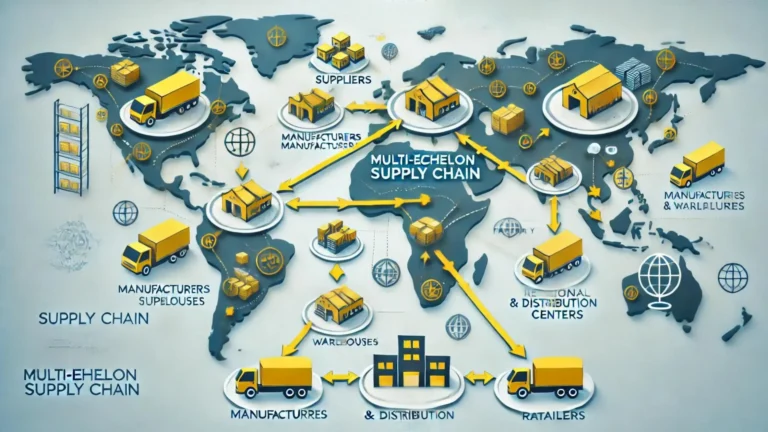
Risk pooling combines demand or shares inventory across locations so that independent fluctuations can partly offset one another. It can reduce…
Demand forecasting in supply chain analytics estimates future demand for a defined product, location and period. Use it to inform purchasing,…

Artificial intelligence is moving from isolated experiments into everyday supply chain planning and execution. In 2026, the most useful applications are…

Inventory optimization methods, formulas and assumptions for ABC/XYZ segmentation, EOQ, safety stock, reorder points and turnover—plus a practical validation workflow.

Inventory carrying cost is a crucial aspect of inventory management that often goes unnoticed. Understanding and accounting for these hidden or…

Inventory discrepancies are differences between the quantity, location, condition, or value recorded in an inventory system and what is physically available….
Supply Chain 4.0 describes the coordinated use of connected devices, interoperable data, cloud platforms, analytics, artificial intelligence and automation across supply…

Introduction Bumble Bee Clothing specializes in high-quality, stylish apparel for toddlers and babies, holding a significant market share in children’s fashion….