Free Supply Chain Analytics Tools
Plan inventory and forecast demand with free, transparent calculators. Explore practical guides for supply chain professionals, analysts, and students.
Free Supply Chain Analytics Tools
Use our free supply chain analytics tools to examine inventory, replenishment and forecasting decisions. Each calculator is designed to make the underlying logic visible, so professionals and students can interpret the result and apply it with appropriate business context.
ABC Analysis Calculator
Classify inventory into A, B and C categories using annual consumption value. Use the output to support differentiated review frequency, control effort and inventory policies while considering criticality and supply risk separately.
Safety Stock & Reorder Point Calculator
Estimate safety stock and reorder points using demand, lead time and service assumptions. The calculator helps planners test replenishment scenarios; results should be reviewed against data quality, item risk and the operating environment.

Cycle Stock Calculator
Estimate the inventory expected to support normal demand between replenishments. Use the result to examine the relationship between order quantity, replenishment frequency and average cycle stock.
Moving Average Forecast Calculator
Create a simple moving-average forecast from historical demand and compare different averaging windows. This method can smooth short-term variation, but it should be assessed against seasonality, trend and forecast error before operational use.
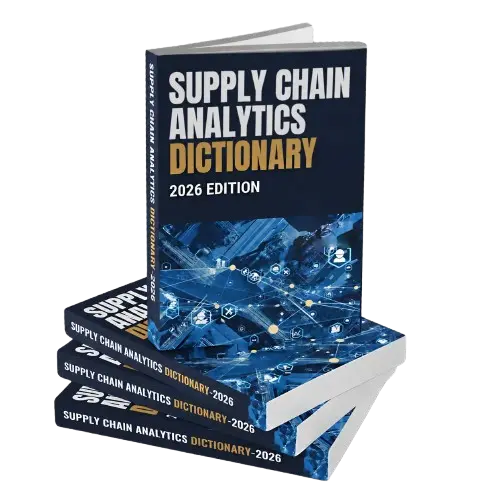
Build a stronger foundation with the free Supply Chain Analytics Dictionary—a practical reference for understanding essential terms, measures and methods.
Recent Blogs
Read evidence-conscious explainers, practical guides and operations-focused analysis covering current supply chain challenges. Articles distinguish established methods, illustrative examples and external evidence so readers can judge how each insight applies to their context.
Last-Mile Delivery Optimization: KPIs, Costs & Strategies
Last-mile delivery is where customer promises meet operational reality. It is the final movement of an order from a store, fulfillment center, parcel facility or…
Warehouse Automation in 2026: Robots, AMRs, AI & ROI
Warehouse automation is no longer limited to large, fixed conveyor systems. In 2026, operations teams can combine warehouse management software, autonomous mobile robots, automated storage,…
Incorporating Advertising Effects into Demand Forecasting Models
In supply chains, forecasting errors often lead to either stockouts that frustrate customers or bloated inventory that drains margins. While most companies account for seasonality,…



Explore the Core Disciplines
Build practical knowledge across analytics, forecasting, inventory control, optimization, artificial intelligence and supply chain resilience. These topic areas connect analytical concepts with the decisions made by planners, analysts and operations teams.
Turning Supply Chain Knowledge into Operational Action
Supply Chain Analytics exists to make analytical thinking useful at the point of execution. Our purpose is to help professionals understand operational problems, select the right measures, and apply structured methods across demand planning, inventory, warehousing, fulfillment and supply chain risk.
The platform brings together transparent calculators, step-by-step guides, practical frameworks and operations-focused projects. Each resource is designed to explain the method, its assumptions and its operational use—not simply provide an answer.
Created by Gijo Kochuparambil John, an operations and supply chain leader with experience across Swiggy, Flipkart and Zepto, the platform connects analytical methods with the realities of high-volume fulfillment, process improvement and cross-functional execution.
Supply Chain Analytics Quiz
FAQs

Subscribe Now
Receive practical supply chain tools, newly published guides and operations-focused insights.