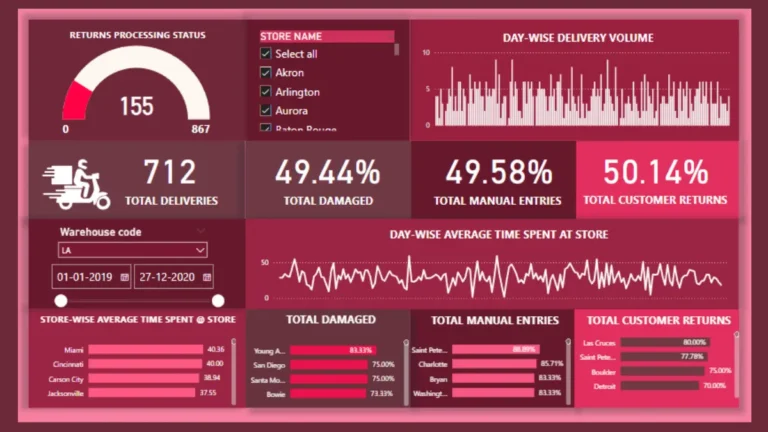

Inventory shrinkage and spoilage are critical challenges that directly impact the profitability of businesses across various industries. This comprehensive guide explores the financial implications of these issues while providing actionable strategies, technological innovations, and practical insights that empower businesses to mitigate losses effectively.
Understanding Inventory Shrinkage and Spoilage
Inventory Shrinkage: This refers to the loss of inventory due to theft, damage, misplacement, or errors in recording. Shrinkage can lead to significant financial losses, affecting overall profitability.
Inventory Spoilage: Spoilage involves the deterioration of goods, often due to improper storage, expiration, or obsolescence. For businesses dealing with perishable items, spoilage can result in increased costs and reduced sales.
The Financial Impact of Inventory Losses
Inventory losses can have several detrimental effects, including:
- Decreased Profit Margins: Shrinkage and spoilage directly reduce the available stock, leading to lost sales opportunities and increased costs.
- Cash Flow Issues: Unsold and spoiled inventory ties up capital that could be better utilized elsewhere in the business.
- Operational Inefficiencies: Managing inventory discrepancies can divert resources from other critical business areas.
The Importance of Inventory Management
Effective inventory management is vital for minimizing shrinkage and spoilage. It involves a series of practices aimed at optimizing inventory levels, ensuring product quality, and maintaining accurate records.
Key Strategies for Handling Inventory Shrinkage
- Implement Robust Security Measures
- Surveillance Systems: Invest in high-quality cameras and alarm systems to deter theft and monitor suspicious activities.
- Access Controls: Limit access to inventory areas to authorized personnel only. Use key cards or biometric scanners for enhanced security.
- Conduct Regular Audits
- Physical Counts: Schedule frequent inventory counts to ensure physical inventory matches recorded levels.
- Cycle Counting: Implement a cycle counting method, where a portion of inventory is counted on a rotating schedule, reducing the workload of a full inventory count.
- Utilize Technology for Inventory Tracking
- RFID and Barcoding: Use RFID tags or barcodes for real-time inventory tracking to minimize human error and improve accuracy.
- Inventory Management Software: Implement software that provides real-time visibility into inventory levels, movements, and trends for proactive management.
- Train Employees on Best Practices
- Loss Prevention Training: Educate employees on the causes of shrinkage and prevention strategies. Foster a culture of accountability where employees take responsibility for inventory management.
- Standard Operating Procedures (SOPs): Develop clear SOPs for receiving, storing, and handling inventory to minimize errors and spoilage.
- Establish a Clear Returns Policy
- Returns Management: Implement a clear process for inspecting returned items for damage and restocking them appropriately or discarding them if necessary.
Strategies for Preventing Inventory Spoilage
- Use FIFO or FEFO as appropriate
- FIFO moves older receipts first. For dated or shelf-life-sensitive products, FEFO (first-expired, first-out) is often more useful because a lot received later can have an earlier expiry date.
- Monitor Shelf Life and Storage Conditions
- Expiration Tracking: Use software to monitor expiration dates, alerting staff when items approach their sell-by dates.
- Optimal Storage Conditions: Ensure that perishable goods are stored at appropriate temperature and humidity levels to extend their shelf life.
- Optimize Inventory Levels Using Demand Forecasting
- Data Analysis: Use historical sales data to accurately forecast demand, ensuring optimal inventory levels and reducing the chance of excess stock that may spoil.
- Just-In-Time (JIT) Inventory: Consider adopting JIT inventory practices, ordering stock based on immediate demand rather than holding excess inventory.
Measuring and Reporting Inventory Variance
To understand the financial impact of inventory shrinkage and spoilage, businesses should measure and report inventory variance effectively.
- Calculating Inventory Variance Use the formula:
Inventory Variance = Actual Inventory – Recorded Inventory - Reporting Methods
- Journal Entries: Record variances in your accounting system. For example, if there’s a shortage due to theft, debit the inventory variance account and credit the cost of goods sold.
- Management Reports: Create detailed reports outlining the variance, its root causes, and the corrective actions taken to address any discrepancies.
Conclusion
Effectively managing inventory shrinkage and spoilage is a multifaceted challenge requiring a proactive approach. By implementing robust security measures, conducting regular audits, utilizing technology, and optimizing inventory practices, businesses can significantly reduce losses and improve operational efficiency.
In a competitive landscape where margins are tight, addressing these issues head-on not only safeguards profits but also enhances customer satisfaction through reliable product availability. By adopting the strategies outlined in this guide, businesses can foster a culture of accountability and continuous improvement in their inventory management processes.